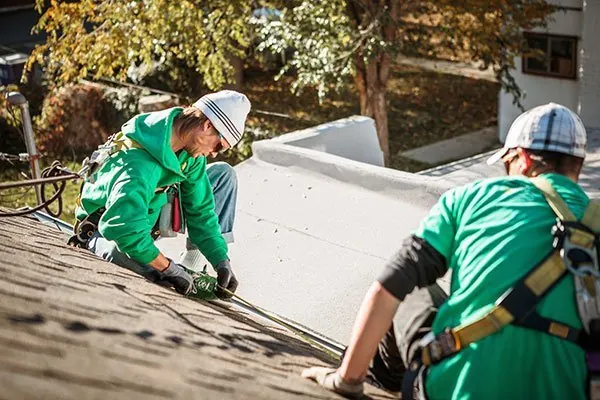
1. Tile-to-steel conversions keep growing
Thousands of Sunshine Coast houses built from the 1970s to the 1990s wear concrete tile roofs that are now reaching the point of replacement. A large share of their owners are choosing to convert to steel. The reasons are practical: steel is lighter, quicker to install, suits lower pitches on extensions and handles heavy summer rain with fewer joints. See Colorbond vs tile roofing for the trade-offs.
2. Lighter and mid-tone colours
The dark charcoal roofs that dominated new estates for years are being reconsidered. In a subtropical climate, dark roofs absorb more heat, and owners are increasingly aware of the effect on comfort and cooling bills. Mid greys, light greys and off-whites are more common on re-roofs, balanced against glare toward neighbours and any estate rules. Our guide to colour options for roof replacements explains how to choose.
3. Roof blankets as standard under steel
A decade or two ago, many steel roofs went on with basic foil or nothing at all. Today, an insulated roof blanket under steel is the norm on quality re-roofs. It reduces heat gain, rain noise and, importantly in humid coastal conditions, condensation dripping into the roof space. See roof re-sarking during replacement.
4. Roofs planned around solar
With rooftop solar common across the coast, re-roofs increasingly involve coordinating removal and reinstatement of panels by a licensed electrician, and owners planning future systems ask roofers about orientation, penetrations and structure. A new roof is the best time to make the roof solar-ready.
5. Low-pitch and skillion designs
Modern homes and extensions favour skillion and low-pitch roofs with clean lines, box gutters and parapets. These designs depend on steel and on careful detailing of gutters and overflows, because low-pitch roofs drain more slowly and box gutters can overflow inside the building in heavy rain.
6. Coastal-grade materials and fixings
Owners near the beach are more aware that standard materials can corrode early. Specifying higher coating grades, matching fixings and compatible metals is becoming routine for coastal re-roofs. See coastal roof materials.
7. Storm-ready detailing
After severe storm seasons, there is more attention on tie-downs matched to the site's wind classification, larger gutters and downpipes, and overflow paths that send water away from the house rather than into it.
8. Ventilation and moisture control
Mould and condensation in roof spaces are common complaints in humid coastal homes. Whirlybirds, ridge vents and vapour-permeable membranes are increasingly part of re-roof discussions. See how poor ventilation affects your roof.
9. Bushfire-aware hinterland roofs
In mapped bushfire-prone parts of the hinterland, construction requirements for roofing, sarking and ember sealing are being applied to new work, and owners are more aware of them.
10. More careful buying
Owners are more likely to check QBCC licences, ask for photos of hidden work and compare itemised quotes. That is a welcome trend; our roof replacement checklist supports it.
Trends worth being cautious about
Not every trend suits every roof. A few to think through carefully:
- Very dark roofs look sharp on display homes but absorb a lot of heat in the subtropics.
- Concealed and box gutters create clean lines but can overflow inside the building if undersized or blocked.
- Minimal or no eaves suit some modern designs but leave walls and windows more exposed to sun and rain.
- Coatings sold as instant upgrades can improve appearance but do not fix a failing roof.
- Very low pitches need careful detailing and the right profile to drain properly.
None of these is wrong in the right context. They simply call for more care in design and installation, and for honest advice from the roofer about how they will perform on your particular house in local conditions.
What the trends mean for you
Trends are useful only if they suit your house. A heritage-style home on a quiet street may still be best served by tiles; a beachside house needs coastal grades whatever the colour. Use the trends as prompts for questions, then let the inspection and your priorities decide. For a structured way to decide, read how to choose the right roof for your home.
General information for Sunshine Coast property owners, not advice about your particular roof. Rules, products and programs change; confirm with the authority named, or with Sunshine Coast Council or Noosa Shire Council, before acting.