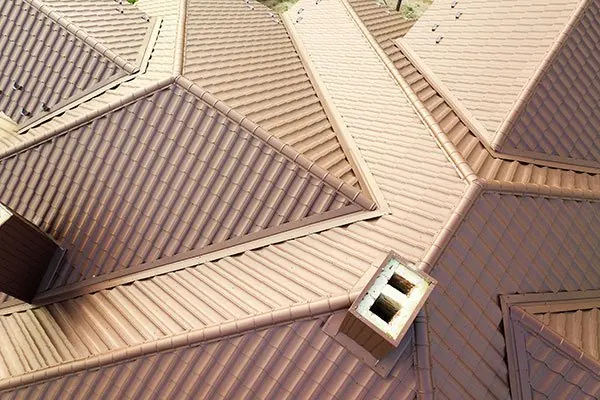
Colorbond steel roofs on the Sunshine Coast
Roofer Sunshine Coast arranges Colorbond roofing through independent local roofing contractors: new steel roofs on extensions and new builds, steel-to-steel re-roofs on houses whose first roof has rusted, and tile-to-steel conversions. COLORBOND is a brand of pre-painted steel; contractors also work with unpainted zinc-aluminium coated steel and other pre-painted products, and the same principles apply to all of them.
Why steel suits much of the coast
- Light weight. Steel weighs a fraction of a tile roof, which suits older frames and makes tile-to-steel conversions straightforward on most houses.
- Low pitch. Steel can be laid on much flatter roofs than tiles, which is why it dominates newer homes, patios and extensions.
- Fewer joints. Long sheets running ridge to gutter give wind-driven rain fewer places to get in.
- Heat. Lighter colours reflect a lot of summer sun, and a roof blanket underneath helps further.
Where steel roofs go wrong here
Steel roofs fail early on the coast for predictable reasons: a coating grade not suited to salt exposure, fixings that corrode faster than the sheet, incompatible metals in contact (copper pipes or lead flashings running onto coated steel, for example), swarf left on the roof after cutting, and no sarking, so humid air condenses on the underside of the sheets. All of these are avoidable when the scope is written properly.
Choosing profile and colour
Corrugated profile has a traditional look and suits most houses. Wider trapezoidal profiles are common on modern and low-pitch roofs and some commercial work. Your roofer will recommend a profile that suits the pitch and span. On colour, darker roofs absorb more heat and lighter ones reflect more; check any estate covenant or body corporate rule before you decide. Our article on colour options for roof replacements has more on how colour choices play out in the subtropics.
Next steps
If your existing roof is tile, start with tile roof replacement. If it is fibro or corrugated asbestos cement, see asbestos roof replacement and removal. For a whole-house job, the residential roof replacement page explains the process, and the cost guide has 2026 planning ranges for steel re-roofs.
Looking after a steel roof once it is on
Steel roofs need little maintenance, but on the coast a little goes a long way. Areas the rain does not wash, such as under eaves overhangs, behind parapets and beneath solar panels, collect salt and grime, and steel manufacturers generally recommend washing them down with fresh water from time to time, more often close to the surf. Keep gutters and valleys clear of leaves so water does not sit against the steel. After any trade has been on the roof, check that no metal offcuts or screws have been left behind, because they rust and stain the finish. Avoid placing copper or lead items where rainwater runs from them onto coated steel. If you spot a scratch or rust bloom, have it looked at early, before it spreads under the paint.