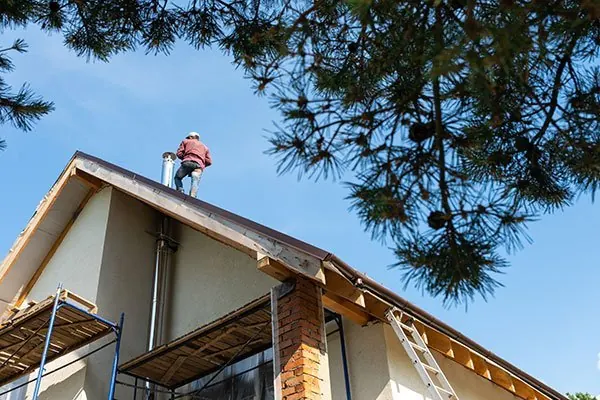
Asbestos roofs on the Sunshine Coast
Asbestos cement was widely used in Queensland in fibro sheeting and corrugated roofing until it was phased out, and it is still common on older beach houses, sheds, garages and carports along the coast. Roofer Sunshine Coast arranges asbestos roof replacement and removal through independent contractors: the asbestos is removed by a licensed removalist, and a new roof, usually steel, is installed by a roofing contractor.
How the rules work in Queensland
Asbestos removal is regulated under Queensland's work health and safety laws, administered by Workplace Health and Safety Queensland (WHSQ). Broadly, removal above a set quantity of bonded asbestos must be done by a licensed removalist holding the right class of licence, and the removal must follow approved methods for wetting, wrapping, transporting and disposing of the material. The thresholds, licence classes and notification rules are set out by WHSQ, so check the current requirements there or ask the removalist to explain them for your job. Disposal must be at a facility that accepts asbestos waste.
Sunshine Coast Council and Noosa Shire Council publish local information about asbestos disposal. Requirements change, so confirm with the relevant council and WHSQ before work starts.
The order of work
- Identification. Testing or an assessment confirms what contains asbestos, including gutters, eaves or ceilings that may be disturbed.
- Planning. The removalist plans the job, including any notification required and how the house and neighbours will be protected.
- Removal. Sheets are wetted, unfixed without breaking where possible, wrapped and taken away for disposal.
- Clearance. Where required, the area is inspected and cleared before other trades continue.
- New roof. The roofer checks the battens and frame, installs sarking or a roof blanket and lays the new roof.
Why steel usually replaces asbestos roofs
Asbestos cement roofs are relatively light, so frames built for them often suit steel better than heavy tiles. A Colorbond steel roof is the usual replacement, though the contractor should confirm the frame is sound once the old sheets are off.
What not to do
Never water-blast, sand, cut or drill an asbestos cement roof, and do not walk on it: old sheets are brittle and falls through them are a serious hazard. Our article on DIY roof replacement risks explains why this is not owner-builder work. For budget planning, the cost guide includes a range for asbestos removal plus a new roof.
Questions worth asking the removalist
- Which class of WHSQ asbestos removal licence do you hold, and can I see it?
- Will the job be notified to the regulator, if notification is required?
- How will you stop broken pieces and dust reaching the yard, the gutters and next door?
- Where will the wrapped sheets be stored on site, and for how long?
- Which facility will the waste go to, and will I get disposal receipts?
- Is a clearance inspection needed before the roofer starts, and who arranges it?
Good removalists answer these without hesitation. Keep the paperwork with your property records; future buyers and insurers may ask how the asbestos was dealt with.