Commercial roofing from Caloundra to Noosa
Roofer Sunshine Coast arranges commercial roof replacement through independent local roofing contractors for warehouses, light-industrial units, shops, offices, unit blocks, churches, clubs and farm sheds across the Sunshine Coast. Most of these roofs are steel on steel purlins, often at low pitch and with box gutters, skylights and plant on the roof.
Why commercial roofs fail
- Corroded sheets and laps. Low-pitch roofs hold water longer at the laps and fixings, so corrosion starts there.
- Box gutters. Undersized, blocked or poorly sealed box gutters overflow into the building in heavy rain.
- Old skylights. Translucent sheets go brittle and crack in the sun, letting in water and becoming a fall hazard.
- Plant and penetrations. Air-conditioning units, exhaust fans and pipes each need a flashing, and every one is a potential leak.
- Salt. Buildings near the coast, including many in the coastal business areas, see faster corrosion of sheets, fixings and gutters.
Planning the job
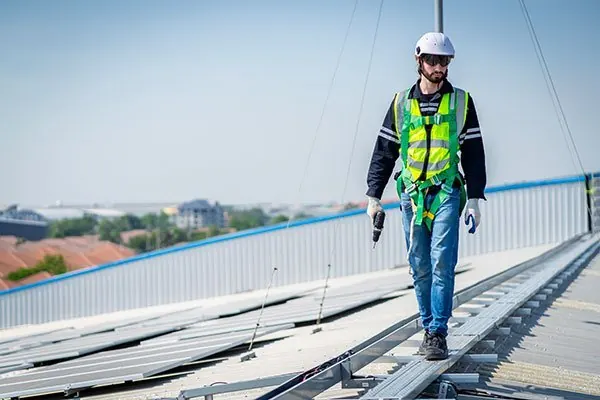
Commercial roof replacement depends on planning more than speed. A good contractor will look at how the building is used, where stock and equipment sit, when deliveries happen and where people work. The roof is then broken into sections that can be opened and sealed again the same day. Safety planning is a large part of commercial roofing: edge protection, safety mesh under new sheets, harness anchors and exclusion zones below the work are all standard.
Things to settle before work starts
Agree working hours, noise limits, site access, where materials and bins will go, and how tenants or staff will be told. If the building pre-dates about 1990, have any fibro or cement sheeting tested for asbestos before the scope is finalised. Confirm who is arranging any building approval and who holds the relevant QBCC licence for the roofing work.
Related services and reading
For the residential side, see residential roof replacement. Our roof warranties explainer covers the difference between material and workmanship warranties, and the cost guide explains what moves roofing prices up or down.
Safety and access on commercial roofs
Commercial roofs are often high, long and fragile in places. Old translucent sheets and skylights will not take a person's weight, and low-pitch roofs can be slippery after rain or dew. Queensland's work health and safety laws place duties on everyone involved in work at height, and contractors are expected to plan the work with that in mind: perimeter edge protection, safety mesh under new sheets, covers or guards over skylights, harness anchor points and controlled access ladders. Below the roof, areas where materials could fall are fenced off. Building owners and managers also have duties, for example to share what they know about asbestos in the building and about fragile areas. Expect a commercial roofing quote to include a written safety plan, and expect the contractor to ask you for site information before they start.
Maintaining the new roof
Once the new roof is on, a simple routine keeps it performing: clear box gutters and outlets before the wet season, check flashings around plant after any trade has worked on the roof, and wash salt off sheltered areas on buildings close to the ocean.