Before the first day
Clear the perimeter
Roofers need space along every side of the house for ladders, scaffold or edge protection, and for material deliveries. Move outdoor furniture, pot plants, bikes, barbecues and anything fragile away from the walls. Cover garden beds and fish ponds that sit under the roof edge.
Sort out the roof space
If you store anything in the roof space, move valuables out. Stripping the roof shakes dust and old debris down through the ceiling cavity.
Plan parking
A truck, a skip or a trailer will need room near the house for most of the job. Move cars off the driveway and let neighbours know if street parking will be tighter than usual.
Pets and children
Hammering, screw guns and falling debris near the edges make the yard unsafe and stressful for pets. Keep them inside or arrange for them to be elsewhere. Keep children well away from the work zone.
Talk to the neighbours
A short note or a chat about start dates, noise and parking prevents most friction, especially in close-set streets and townhouse complexes.
What a typical day looks like
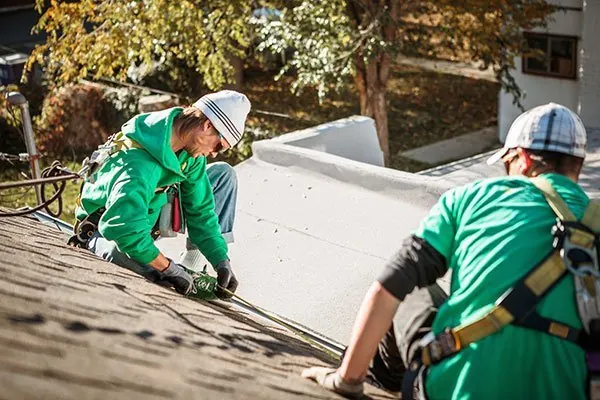
Roofers usually start early to make the most of cooler mornings, especially in summer. A day might run like this: set-up and safety checks, stripping a section, checking and replacing battens, laying sarking, then fixing the new roof on that section before the afternoon. The aim is for every opened section to be closed by the end of the day.
On the Sunshine Coast, summer afternoons often bring storms. Good contractors watch the radar closely and may finish early or tarp a section rather than push on.
Noise and dust
The loudest stage is the strip-off: tiles being lifted and thrown into a bin, or screws being drilled out of old steel. New steel roofs are quieter to install than tiles but involve cutting and screw guns. If anyone in the house works night shift or needs quiet, plan around it.
Dust from the roof cavity can drift down through downlights and manholes. Covering furniture and closing doors to rooms directly below the work keeps most of it contained.
If asbestos is involved
If the old roof contains asbestos, removal is a separate stage carried out by a licensed removalist under Workplace Health and Safety Queensland rules. The removalist will tell you what precautions apply to the household, whether windows should be closed and whether you should be away during removal. Do not enter the work area while removal is underway.
Surprises once the roof is open
Rotten battens, termite damage, undersized timber or tie-downs that do not meet the site's wind classification sometimes appear once the roof is off. A good contract sets out how such variations are priced and approved. Expect the contractor to stop, show you photos and agree a price before doing extra work.
The last day
At handover, ask the contractor to walk you around the finished roof from the ground and explain what was done. Check that gutters are clear of offcuts and swarf, that the yard has been cleaned, and that you have product details, invoices and any warranty paperwork.
After the job
Look in the roof space after the first heavy rain for any signs of water, and check that ceilings have no new stains. Keep the paperwork with your house records; it matters for insurance and when you sell.
Questions to settle before day one
- What time will the crew usually start and finish?
- Where will the bin or truck go, and for how long?
- Who should I call if something goes wrong while you are on site?
- How will you let me know if hidden damage is found?
- How will the house be protected if a storm arrives mid-afternoon?
- When will the solar, air-conditioning or aerial be reconnected, and by whom?
Having these answers written down, or at least agreed by message, avoids most of the frustrations owners report after a roofing job.
Related reading
For the technical sequence see the step-by-step process, and for duration read how long a roof replacement takes. Our checklist helps you compare quotes before you commit.
General information for Sunshine Coast property owners, not advice about your particular roof. Rules, products and programs change; confirm with the authority named, or with Sunshine Coast Council or Noosa Shire Council, before acting.